Locked Out of Your Home? Here's What to Do First
Being locked out of your own home is one of those moments that stops you cold. You reach for the keys, and they are not there. Maybe they are sitting on the kitchen counter, or still in the car door, or lost somewhere between the grocery store and your front step. The feeling that follows is part frustration, part worry, and a strong wish to get back inside as fast as possible. Before you do anything else, take a slow breath. Rushing leads to mistakes, and mistakes can make a bad situation worse. This guide walks you through the smartest first steps to take when you find yourself locked out of your home, covering what to check on your own, when to call for help, and what to expect from a locksmith.
Pause and Check Your Immediate Surroundings
The first thing to do is stop and look around. Stand back from the door and check every other possible entry point. Many homes have a back door, a side door, or a sliding patio door that might be unlocked. Check basement windows, garage side doors, or even a pet door if you have one. Walk the perimeter of your house and give every handle and latch a gentle try. You would be surprised how often a second door is unlocked, especially if you live with other people who might have left it open earlier in the day.
While you are checking, also look for spare keys. Do you keep one under the doormat, inside a fake rock near the garden, or with a neighbor? Dig through memory for any spare you might have left with a friend or family member who lives close by. A quick phone call to that person might save you time and money. If you have a garage with a keypad entry, try the code. If you have a smart lock that works with a phone app, check whether it is still connected to your home's Wi-Fi. Sometimes the lock itself works fine even if the physical key is missing. These simple checks take two or three minutes and can solve the problem without any tools or outside help.
Check Your Car or Bag Systematically
Next, retrace your steps in a calm, organized way. If you arrived home by car, go back and search the driver's seat, the passenger seat, the cup holders, and the floor. Keys can slip between seats or fall out of a pocket without you noticing. If you came on foot, empty your pockets and check the bag you were carrying. Look inside every compartment, not just the obvious one. Sometimes keys end up in a jacket pocket you forgot about, or they fall into the lining of a backpack. Dump things out onto a flat surface if you need to. It sounds simple, but many lockouts are solved by finding the key in a place you already checked twice.
If you still cannot find them, pause before taking any drastic action. Do not try to force the door open with a credit card or a screwdriver unless you know what you are doing. Modern door locks are designed to resist simple bypass techniques, and prying at a door frame can damage the wood, the strike plate, or the lock itself. You could end up with a broken lock and still be standing outside, only now you need a repair on top of a lockout. The same goes for windows. Breaking a window is loud, dangerous, and expensive to fix. Only consider that route if there is an immediate emergency, such as a child or pet trapped inside, and even then, call for help first.
When to Call a Locksmith
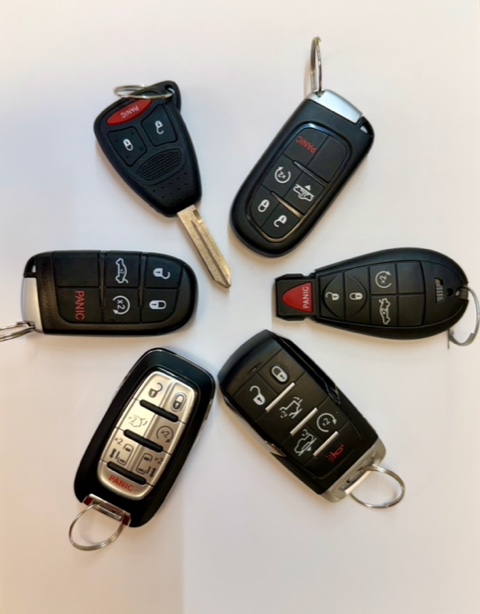
If you have exhausted the obvious options and you are still locked out, it is time to call a professional. A reliable locksmith can get you back inside quickly and without causing damage to your door or lock. The key is to call someone reputable and local. Avoid searching for generic numbers online that could route you to a call center far away. Look for a locksmith that serves your area directly, with a physical address and a phone number you can verify. A good sign is a company that answers the phone with a real person, not a recording that transfers you to a dispatcher in another state.
When you call, be ready to provide some basic information. Tell the locksmith what kind of lock you have and whether it is a knob lock, a deadbolt, or a keypad. If you have a high-security lock or a smart lock, mention that too. The technician will bring the right tools and know how to handle it. You will also need to prove that you live at the address. Most legitimate locksmiths will ask for identification, such as a driver's license, and may ask for proof of address, like a piece of mail or a utility bill with your name on it. This identity verification step protects both you and the locksmith. It prevents someone from claiming a lockout at a house that is not theirs. If you do not have your ID with you, see if a neighbor can vouch for you, or check whether your name is on the mailbox. The locksmith may also ask for a leasing agreement if you rent. Having these details ready before you call can speed things up.
The locksmith will arrive at your location and assess the situation. For a standard door lock, they may use a technique called lock picking, which involves manipulating the pins inside the cylinder to turn the lock without the key. This is a non-destructive method that leaves your lock intact. For more stubborn locks or if the lock is damaged, they might use bypass entry tools such as a bypass wedge or a long-reach tool to manipulate the latch from the outside. In rare cases, they may need to drill the lock, but that is usually a last resort. A professional will always try the least invasive method first. You can expect the whole process, from arrival to opening the door, to take anywhere from a few minutes to half an hour, depending on the complexity of the lock and the technician's experience.
What Affects Response Time
Response time for a locksmith varies based on a few factors. Time of day matters. A lockout at 3 PM on a weekday is likely to be handled faster than one at 3 AM on a Saturday. Location also plays a role. If you live in a dense urban area, the technician may be only a few minutes away. In a more suburban or rural area, expect a longer drive. Traffic and weather conditions can add time as well. When you call, ask for an estimated arrival time so you know what to expect. Most professional locksmiths will give you a realistic window and call if they are running late.
One thing to keep in mind is that not all locksmiths charge the same way. Some include travel time in their service fee, others charge separately. Some have a flat rate for a standard lockout, while others charge by the hour. Always ask for a price estimate before the technician starts work. A trustworthy locksmith will give you a clear quote over the phone and confirm it when they arrive. If they insist on a price that seems too good to be true, or if they refuse to give a quote over the phone, consider calling a different provider. You do not want to be surprised by a high bill after you are already back inside.
Preventing Future Lockouts
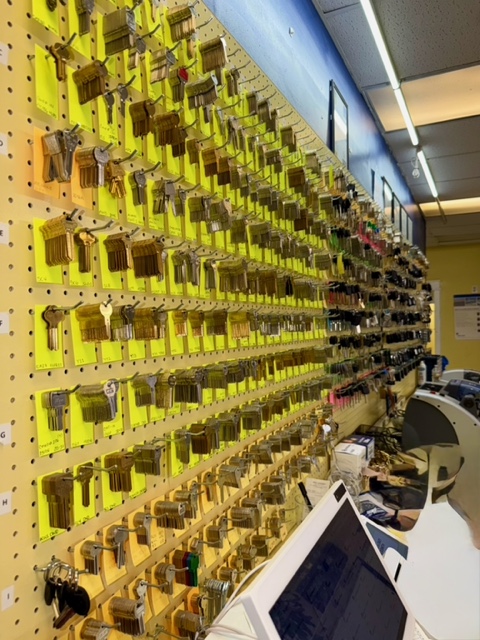
Once you are inside and the relief has set in, take a moment to think about prevention. Lockouts are inconvenient and can be stressful, but they are also avoidable with a few simple habits. Keep a spare key with a trusted neighbor or a family member who lives nearby. Install a key hook by the door and use it every time you come in. If you are prone to losing things, consider a key finder gadget that attaches to your key ring and lets you locate it with a phone app. For a more permanent solution, you might look into a keyless entry system, such as a keypad lock or a smart lock that opens with a code or your phone. These eliminate the need for a physical key altogether. Just remember to keep a backup method, like a spare code stored with a friend, in case the battery dies or the electronics fail.
Another smart move is to take a picture of your key or make a note of the key blank number. If you do lose your keys and need a replacement, a locksmith can cut a new one from that information without having to pick or drill the lock. This is especially useful if you have a high-security key that is not easy to duplicate at a hardware store. Keep that information in your phone or in a secure note app.
What It Means to Call for Urgent Locksmith Assistance
When you call a locksmith for a lockout, you are asking for urgent locksmith assistance. That is exactly what the term means: a service that responds to an immediate need, usually outside of normal business hours, to get you back into your home. A good locksmith treats every lockout call with the same level of seriousness, whether it is 2 PM or 2 AM. They understand that being locked out is disruptive and that you want to be back inside as quickly as possible. When you call, be clear about the urgency of your situation so the dispatcher can prioritize your call accordingly.
One thing to watch for is the difference between a local locksmith and a national call center. Some numbers you find online are not local locksmiths at all. They are call centers that take your information and then subcontract the job to a technician in your area, often at a higher price. The technician who shows up may be from a company you have never heard of, and the service may not be as reliable. To avoid this, look for a locksmith with a local phone number and a physical address in your city. Read reviews from real customers in your area. A locksmith that is rooted in the community has a reputation to protect and is more likely to provide good service.
For residents of Oklahoma City and nearby communities, Okey Locksmith provides 24/7 mobile automotive, residential, commercial, access control, and emergency locksmith services, and can be reached at +1 405-703-8943, with a location at 3121 SW 29th St, Oklahoma City, OK 73119, USA. Having a trusted local number saved in your phone can make a stressful situation much easier to handle.
Final Thoughts
Being locked out of your home is never fun, but it is a problem with a clear solution. Check your surroundings, search your belongings, and if all else fails, call a professional. Avoid the temptation to force a door or break a window unless there is a true emergency. A locksmith can get you back inside quickly and with minimal damage. Once you are in, take a few minutes to set up a backup plan so you are not caught off guard again. A little preparation goes a long way toward turning a frustrating moment into a minor inconvenience.
Okey Locksmith is also on Instagram.